
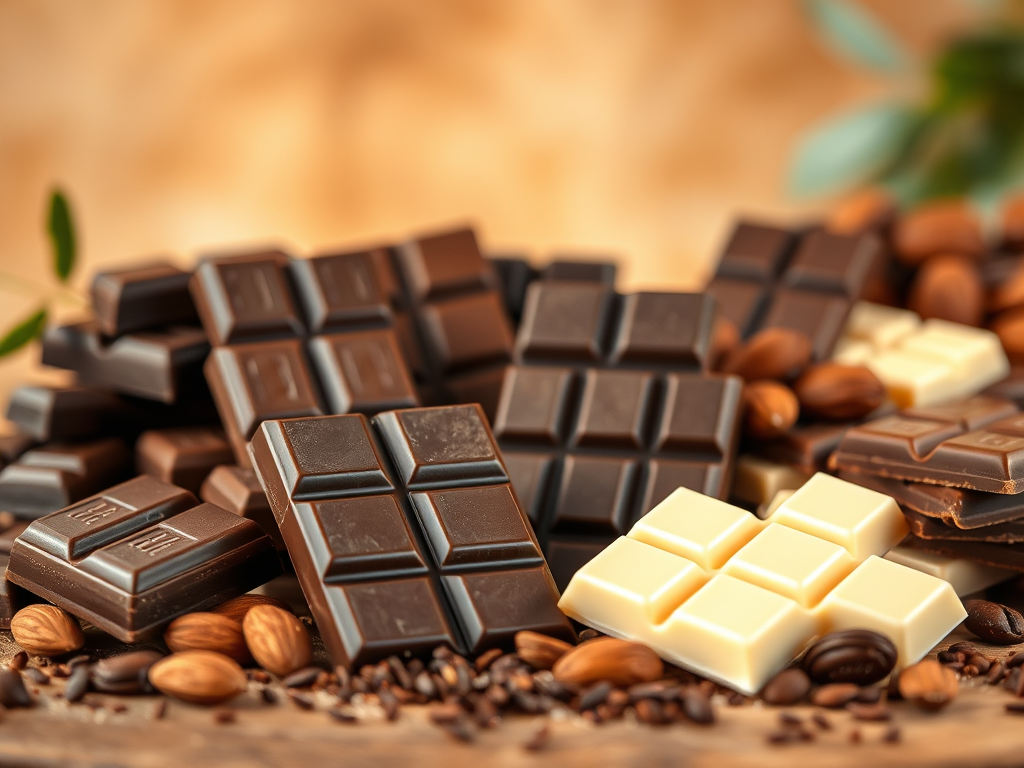
Describe your dream chocolate bar.
I was blessed from a young age not to find chocolate 🍫 appetizing. I eat it only once a year, normally in the form of Almond Joy.
The health impact of chocolate depends heavily on its type, quantity, and context. Here’s a breakdown:
🍫 Types of Chocolate
I. Dark Chocolate (70%+ cocoa)
- Healthier option when eaten in moderation.
- Pros:
- Rich in antioxidants (flavonoids).
- May support heart health and reduce inflammation.
- Can improve mood and cognitive function.
- Cons:
- Still calorie-dense.
- May contain added sugar and fats (read labels).
II. Milk Chocolate
- Less healthy than dark chocolate.
- Higher in sugar and fat, lower in cocoa and antioxidants.
- Can contribute to weight gain, tooth decay, and insulin resistance if consumed in excess.
III. White Chocolate
- Technically not chocolate (contains cocoa butter but no cocoa solids).
- Mostly sugar and fat — offers minimal health benefit.
⚖️ Moderation Matters
- A small serving (e.g., 1–2 squares or 20–30g of dark chocolate per day) can be part of a balanced diet.
- Overconsumption can lead to:
- Weight gain
- Blood sugar spikes
- Increased cholesterol (if high in saturated fat)
- Potential caffeine-related issues (in sensitive individuals)
🧾 Key Tips
- Look for dark chocolate with at least 70% cocoa and low added sugar.
- Avoid heavily processed or filled chocolates (e.g., with caramel, nougat).
- Use it as a treat, not a staple.

The Bible does not reference chocolate — and here’s why:
🌍 Historical Context
- Chocolate is native to Mesoamerica, where the ancient Olmecs, Mayans, and Aztecs cultivated cacao as early as 1500 BCE.
- The Bible was written in the ancient Near East (regions like Israel, Mesopotamia, Egypt, and surrounding areas).
- Cacao was completely unknown to the people of the ancient biblical world. It wasn’t introduced to Europe until after the Spanish encountered it in the Americas in the 1500s — long after the Bible was written.
❓Why People Might Wonder
- The Bible mentions various foods symbolically or in blessings — like honey, milk, wine, figs, and dates — which represent abundance and sweetness.
- Chocolate has become a modern symbol of luxury or comfort, leading some to wonder if something similar is mentioned.
So while the Bible doesn’t mention chocolate, its themes of pleasure, nourishment, and celebration align with how many people today enjoy chocolate — just within a completely different cultural and historical framework.

 R-Rated Religion
Just saying, my friend — https://addictionsandrecoverydotblog.com/2025/05/07/53-theres-a-reason-why-the-genus-name-for-the-cacao-plant-from-which-we-get-chocolate-is-theobroma-greek-for-food-of-the-gods/
LikeLiked by 1 person