
Introduction
Have you ever wondered what keeps our thoughts from turning into a jumbled mess? Or why we can trust our reasoning to make sense of the world? As Christians, we believe God gave us minds to think clearly, and at the heart of clear thinking are three fundamental principles called the laws of logic. These laws—Identity, Non-Contradiction, and Excluded Middle—are like the guardrails of reason, keeping our thoughts on track. In this post, we’ll explore what these laws are, why they matter, and how they point to the God who created an orderly universe. Let’s dive in!
What Are the Three Laws of Logic?
The laws of logic are basic truths that govern how we reason. They’re not physical laws like gravity, but they’re just as real—they’re the rules our minds follow to make sense of anything, from math to theology. Let’s break them down one by one in plain language.
The Law of Identity: A Thing Is What It Is
The law of identity says, “A is A.” In other words, something is what it is and not something else. If I hold an apple, it’s an apple—not a banana or a spaceship. This sounds obvious, but it’s crucial. Without this law, we couldn’t trust anything to stay consistent. Imagine trying to pray if “God” could mean “a tree” one moment and “a cloud” the next!
For Christians, this law reflects God’s unchanging nature. The Bible says, “Jesus Christ is the same yesterday and today and forever” (Hebrews 13:8). Because God is consistent, the world He created operates in a way we can understand.

The Law of Non-Contradiction: A Thing Can’t Be and Not Be
The law of non-contradiction says, “A cannot be A and not-A at the same time in the same sense.” This means something can’t be true and false in the same way. For example, a door can’t be fully open and fully closed at the same time. This law helps us avoid confusion and spot errors in arguments.
In apologetics, this law is a powerful tool. When someone claims, “All religions are true,” the law of non-contradiction shows this can’t work. If Christianity says Jesus is the only way to God (John 14:6), and another religion says He isn’t, both can’t be true at the same time. This law helps us defend the truth of the Gospel.

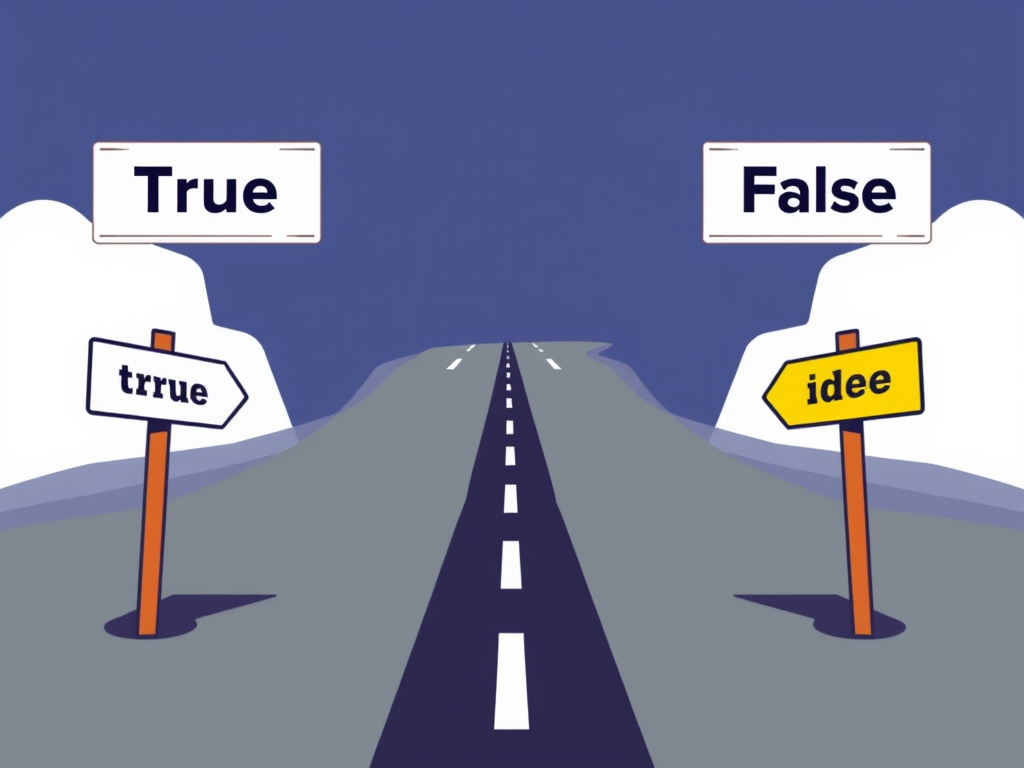
The Law of Excluded Middle: It’s Either True or False
The law of excluded middle says, “Something is either true or false—there’s no middle option.” For any statement, it’s either correct or incorrect. For example, either “Jesus rose from the dead” is true, or it’s false. There’s no “maybe” when it comes to facts like this.
This law pushes us to make clear choices. In apologetics, it reminds us that Christianity’s claims—like the resurrection—demand a decision. As C.S. Lewis put it, Jesus is either Lord, liar, or lunatic. There’s no in-between.[1]
Why Do These Laws Matter for Christians?
The laws of logic aren’t just abstract ideas—they’re gifts from God. They show that our world is orderly because it was designed by a rational, consistent Creator. Without these laws, we couldn’t trust our reasoning, read the Bible, or defend our faith. They’re like the foundation of a house: invisible but essential.
In apologetics, these laws help us engage with skeptics. When someone questions Christianity, we can use the laws of logic to show that our faith is reasonable. For example, the law of non-contradiction helps us explain why contradictory beliefs can’t all be true, pointing people to the unique truth of Christ.

Where Do These Laws Come From?
As Christians, we believe these laws reflect God’s nature. He is truth (John 14:6), unchanging (Malachi 3:6), and clear in His purposes. The laws of logic exist because God created a world that reflects His rational character. In contrast, a worldview without God struggles to explain why logic works. If everything is just random chance, why should our thoughts be reliable? The Christian worldview provides a foundation for logic that atheism or other beliefs can’t match.[2]
Conclusion: Thinking God’s Thoughts After Him
The three laws of logic—Identity, Non-Contradiction, and Excluded Middle—are simple but powerful tools for clear thinking. They help us understand the world, defend our faith, and trust in the God who made it all. Next time you’re wrestling with a tough question or sharing your faith, remember these laws. They’re like a roadmap for reasoning, pointing us back to the God of truth.

What do you think? How have you seen these laws at work in your life or conversations? Share in the comments below!
Footnotes:
[1]: C.S. Lewis, Mere Christianity (New York: Macmillan, 1952), 54–56.
[2]: Greg L. Bahnsen, Always Ready: Directions for Defending the Faith (Nacogdoches, TX: Covenant Media Press, 1996), 169–172.

 R-Rated Religion