

“The Boer War.”
— Dwight Schrute, The Office, Season 3, Episode 4
Dwight Schrute’s oddball mind is a filing cabinet of historical facts and battle plans. So when he declares he’d fight in the Boer War, it’s classic Schrute—and a moment of strange insight. Why that war? Why would a paper salesman in Pennsylvania bring up a century-old colonial struggle?
Why the Boer War?
The Boer War (1899–1902) pitted the British Empire against two independent Boer republics—settler states founded by white South Africans of Dutch descent. These farmers, or Boers, were trying to preserve their way of life, land, and identity from encroaching British imperialism. Though ultimately defeated, their guerilla warfare, resilience, and cultural memory still resonate with some, including (apparently) Dwight Schrute.
Behind the humor is a strange modern echo: white Boers once fought to preserve their culture. Now, many of their descendants are victims of what some have called reverse apartheid.
South Africa: From Apartheid to Identity Politics
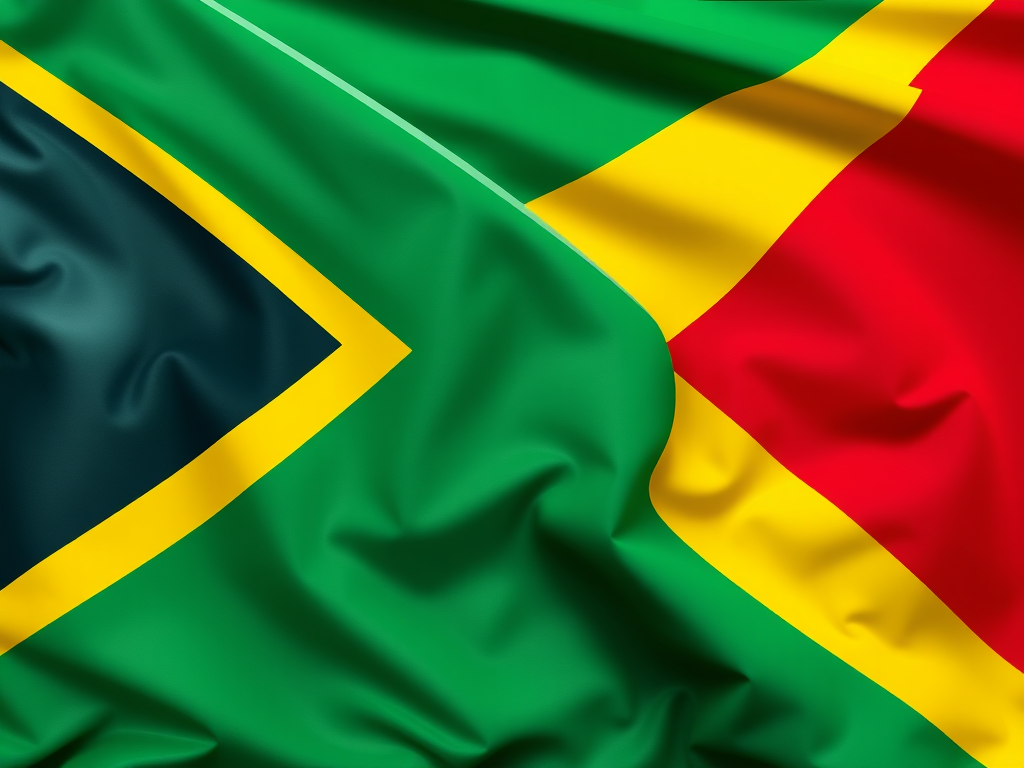
Apartheid—the system of racial segregation and white dominance—was rightly condemned and dismantled. But the post-apartheid era has not brought balance. Instead, modern South Africa has embraced racial redistribution in various ways. These include land seizures targeting white-owned farms. Additionally, rhetoric places blame for economic inequality squarely on white citizens.
In 2018, the ruling ANC government under Cyril Ramaphosa moved to change the constitution to allow for land expropriation without compensation—aimed primarily at white farmers.¹ Violence against white farmers—often brutal—has become a tragic trend, though data is highly politicized and underreported.²
“You shall do no injustice in court. You shall not be partial to the poor or defer to the great, but in righteousness shall you judge your neighbor.” — Leviticus 19:15 (ESV)
Identity Politics and the Gospel
The modern political left has elevated identity politics—where race and group membership define your moral worth. But Scripture tells us otherwise:
“There is neither Jew nor Greek, there is neither slave nor free… for you are all one in Christ Jesus.” — Galatians 3:28 (ESV)
Dwight’s “Boer War” line becomes a strange reflection on today’s reversal: what happens when we fight racism by replacing one oppressor with another? The gospel condemns all racism—not just the politically convenient kind.
“He has told you, O man, what is good… to do justice, love kindness, and walk humbly with your God.” — Micah 6:8 (ESV)
“Woe to those who call evil good and good evil…” — Isaiah 5:20 (ESV)
Justice without impartiality is not justice. It’s revenge in disguise.
Conclusion
Dwight Schrute probably didn’t mean for his line to spark political and theological reflection—but here we are. The Boer War was once about culture and control. In some ways, it still is. South Africa remains a living parable of what happens when justice becomes racialized.
And the church must not remain silent. Racism is always sin—no matter who commits it. And identity politics is a false gospel. Only the gospel of Jesus Christ unites people of every nation, tribe, and tongue under true justice.
Footnotes:
- “South Africa to Begin Land Expropriation Without Compensation,” BBC News, February 28, 2018, https://www.bbc.com/news/world-africa-43234609.
- Ernst Roets, Kill the Boer: Government Complicity in South Africa’s Brutal Farm Murders (Cape Town: Forum Films, 2018).
- Anthony Egan, “Land, Race, and Justice: A South African Dilemma,” The Jesuit Institute South Africa, 2019, https://www.jesuitinstitute.org.za/articles/land-race-and-justice/.
Share your thoughts in the comments: Is South Africa a warning to the rest of the world? Was Dwight onto something—or just being Dwight?

 R-Rated Religion