

In a world that increasingly leans toward legalizing and normalizing marijuana, it’s easy to overlook the risks. These risks still come with its use. Some tout its medicinal benefits and recreational appeal. However, it’s important to take a balanced view. In many cases, that means confronting some hard truths.
Marijuana may be derived from a plant, but not everything natural is good for you. Below are several reasons why marijuana is not as harmless as it’s often portrayed.
1. Cognitive Impairment
Marijuana affects your brain’s ability to process information. Regular use, especially in young people, can impair memory, attention, and learning. These effects can linger for days, if not longer, even after the high has worn off.
2. Mental Health Risks
Numerous studies have linked marijuana use to increased rates of anxiety, depression, and psychosis. Individuals with a family history of mental illness may be at heightened risk of developing serious psychiatric disorders.
3. Addiction is Real
Roughly 1 in 10 marijuana users will develop a cannabis use disorder. This number rises to about 1 in 6 for those who start using in adolescence. It is even higher for daily users.
4. Respiratory Problems
Marijuana smoke contains many of the same harmful substances found in tobacco smoke. Chronic users may develop persistent cough, phlegm, and bronchitis.
5. Driving Under the Influence
THC impairs coordination, reaction time, and decision-making—a dangerous mix when behind the wheel. Marijuana-related car crashes have increased in regions where it’s been legalized.
6. Youth Brain Development

The adolescent brain continues developing into the mid-20s. Marijuana can interfere with that development, potentially resulting in long-term cognitive deficits.
7. Educational and Professional Setbacks
Long-term marijuana use has been associated with lower academic achievement and reduced workplace productivity. Chronic users often report decreased motivation and drive.
8. Relationship Strain
Regular use can lead to emotional distance and communication issues. It can also result in reduced participation in shared responsibilities. These effects put strain on personal and family relationships.
9. Physical Health Concerns
Marijuana use may increase heart rate and pose risks for people with cardiovascular issues. Some users develop Cannabinoid Hyperemesis Syndrome, a condition marked by severe nausea and vomiting.
10. Legal and Occupational Risks
Even in states where marijuana is legal, its use can still result in job termination. Legal trouble is also a possibility. This is especially true in federal or safety-sensitive positions.
11. Contaminants and Unregulated Products
Black market or poorly regulated marijuana may contain harmful substances like pesticides, mold, or heavy metals. Even legal products vary in potency, making it hard to dose safely.
12. Moral and Ethical Considerations
For those guided by religious or ethical values, marijuana use may conflict with principles of sobriety, self-control, and personal discipline.
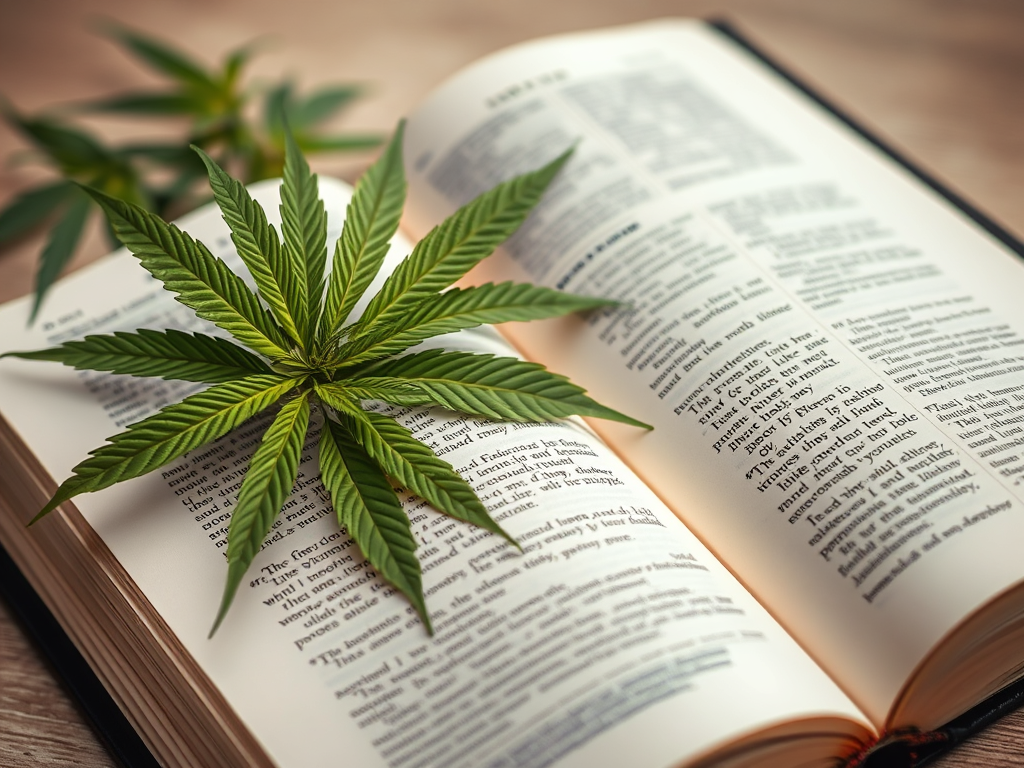
13. Biblical and Theological Reasons Christians Should Avoid Marijuana
Scripture consistently calls believers to live lives marked by sobriety, clarity of mind, and self-control:
- 1 Peter 5:8 — “Be sober-minded; be watchful. Your adversary the devil prowls around like a roaring lion, seeking someone to devour.”
- 1 Corinthians 6:19-20 — “Do you not know that your bodies are temples of the Holy Spirit, who is in you, whom you have received from God? You are not your own; you were bought at a price. Therefore honor God with your bodies.”
- Galatians 5:22-23 — “But the fruit of the Spirit is love, joy, peace, forbearance, kindness, goodness, faithfulness, gentleness and self-control. Against such things there is no law.”
Theologically, Christians are called to live set-apart lives that reflect God’s holiness and order. Intoxicating substances like marijuana can cloud judgment, weaken moral resolve, and hinder spiritual growth. Using substances for escapism or pleasure outside of God’s design may open the door to sin and spiritual vulnerability.
As Christians, our call is not just to avoid what is harmful, but to pursue what is holy. Remaining sober-minded enables us to discern God’s will and live in faithful obedience.
Final Thoughts
Legal or not, marijuana is far from harmless. Like alcohol or tobacco, it comes with a range of physical, mental, and social risks that deserve serious consideration. If you’re weighing whether to try or continue using marijuana, take time to understand all the implications.
In a culture quick to glamorize “natural highs,” it’s crucial to remain grounded in facts, not trends. Your health, your future, and your relationships may depend on it.

 R-Rated Religion